
How to Start a Homeless Shelter: Community Support, Volunteers, and Innovative Fundraising Ideas
Every night, people across the country sleep without shelter—exposed to cold, danger, and uncertainty. Homeless shelters are the first line of defense for individuals and families in crisis, providing not just a roof but food, safety, and a connection to services that can change the course of a life. Building one from the ground up demands vision, community partnerships, and a sustainable funding strategy. Some of the most resourceful shelter organizers have drawn inspiration from unexpected places—much like a player at Gangstasino Casino who studies the table, reads the room, and makes bold, calculated moves to maximize every chip in play. Starting a shelter is no different: success belongs to those who plan carefully, act strategically, and never stop building their hand.
What Is a Homeless Shelter and What Does a Homeless Shelter Look Like?
What is a homeless shelter, at its core? It is a facility that provides temporary accommodation, meals, and basic support services to individuals and families who lack stable housing. Shelters range from large urban operations with hundreds of beds to small community-run programs serving a few dozen guests at a time. They may operate year-round or seasonally, and they may focus on specific populations such as families, veterans, survivors of domestic violence, or young adults aging out of foster care.
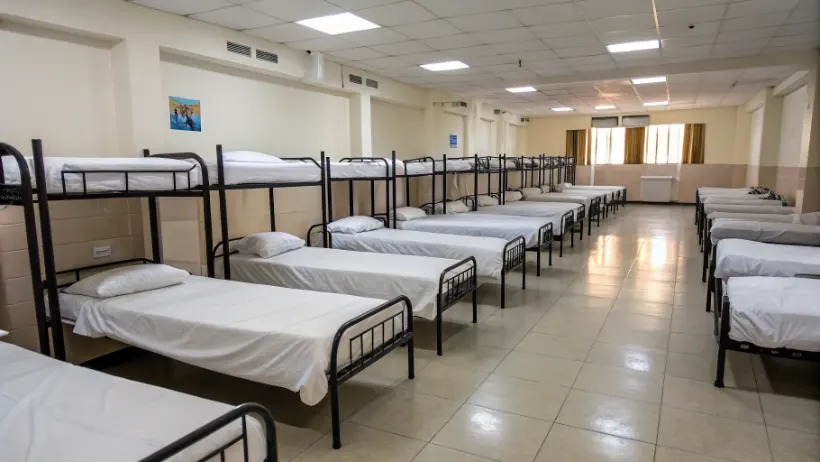
What does a homeless shelter look like in practice? The physical environment varies widely depending on the facility's size, funding, and mission. Most shelters include dormitory-style sleeping areas with individual cots or bunk beds, communal bathrooms and shower facilities, a dining area where meals are served daily, and staff or volunteer stations where guests can access intake services, case management, and referrals. Larger facilities may also contain medical exam rooms, computer labs for job searching, children's play areas, and private counseling spaces. The best shelters feel less like warehouses and more like structured, dignified communities—clean, organized, and staffed by people who treat every guest with respect.
"A shelter is not just four walls and a bed. It is the first place many people have felt safe in months—sometimes years. How it looks and feels on the inside matters enormously to the people who walk through the door."
— Bridge to Home Program Director
How to Start a Homeless Shelter: Key Steps for Building a Community Program
Understanding how to start a homeless shelter begins with recognizing that no single person or organization can do it alone. Successful shelters are built on coalitions—local governments, faith communities, businesses, healthcare providers, and individual donors all play essential roles. Before a single bed is set up, founders must complete a community needs assessment to understand who is experiencing homelessness locally, what gaps exist in current services, and which populations are most underserved.
Once the need is documented, the organizational foundation must be established. Most shelters operate as 501(c)(3) nonprofit organizations, though some launch under the umbrella of existing nonprofits or religious institutions. A board of directors with expertise spanning housing policy, social services, finance, legal compliance, and community outreach is essential from the start. This board does not merely govern—it actively opens doors to funding, regulatory approvals, and community trust.
Site selection and facility preparation follow. Zoning compliance is among the most common obstacles for new shelters; working with a municipal liaison or housing attorney early can prevent months of costly delays. The facility itself must meet fire safety codes, ADA accessibility requirements, occupancy standards, and health department regulations before it can legally serve guests. Staffing plans, resident intake procedures, behavioral guidelines, and exit criteria should all be developed and documented before the doors open.
Funding is, for most founders, the most persistent challenge. The strongest shelters build diversified revenue from the start, combining federal and state grants, foundation awards, individual donations, corporate sponsorships, and community fundraising events. Benefit dinners, auction nights, and charity gaming events have proven effective for many nonprofits—not only because they raise unrestricted funds, but because they bring new faces into contact with the mission, turning curious attendees into long-term supporters.
| Step | Key Actions | Timeline |
|---|---|---|
| Community Assessment | Review CoC data, survey service gaps, consult local providers | 1–3 months |
| Organizational Formation | Incorporate as nonprofit, file for 501(c)(3), assemble board | 3–6 months |
| Site Acquisition | Identify and lease or purchase facility, verify zoning compliance | 2–6 months |
| Regulatory Compliance | Fire, ADA, health, and occupancy inspections; obtain operating license | 2–5 months |
| Staffing and Training | Hire case managers and support staff, complete background checks | 1–2 months |
| Funding Development | Apply for HUD, CDBG, and foundation grants; launch donor campaigns | Ongoing |
| Program Launch | Open intake, begin services, track outcomes from day one | Upon licensure |
Volunteer Homeless Shelter Programs: Why Volunteering at a Homeless Shelter Matters
A volunteer homeless shelter program is far more than a staffing solution—it is a bridge between a community and its most vulnerable members. Volunteering at a homeless shelter places ordinary people in direct contact with the human reality of housing instability, building empathy and awareness that ripples outward long after a single shift ends. Shelters that cultivate strong volunteer cultures tend to be better resourced, more connected to their communities, and more resilient during funding shortfalls.
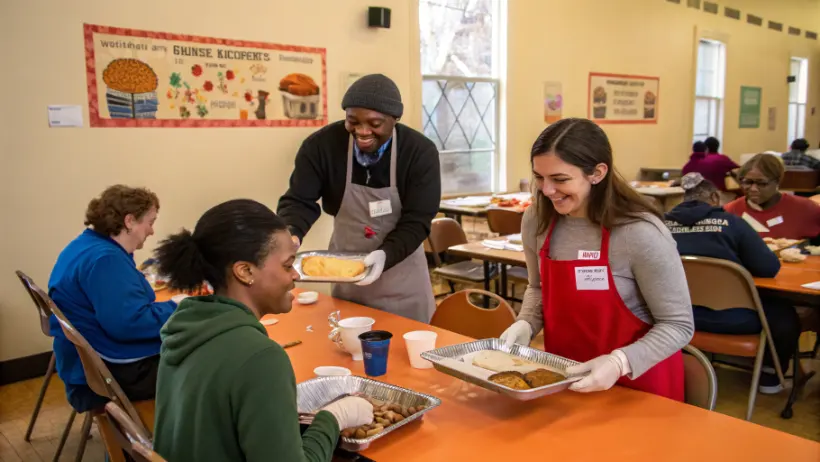
What does volunteering at a homeless shelter actually involve? The answer depends on the organization and the volunteer's skills, but roles typically include serving meals in the dining area, staffing overnight safety shifts, leading life-skills workshops on topics like budgeting or job applications, providing administrative support, sorting and distributing clothing and hygiene donations, and mentoring guests who are working toward housing goals. Skilled volunteers—nurses, lawyers, accountants, therapists, contractors—can contribute professional services that would otherwise be unaffordable for small nonprofits.
- Meal preparation and service in the shelter dining room during breakfast, lunch, or dinner shifts.
- Overnight and weekend safety monitoring to support paid staff during high-need hours.
- Job readiness coaching, resume writing assistance, and mock interview practice.
- Donation sorting, inventory management, and supply distribution for clothing and hygiene items.
- Children's programming including tutoring, recreational activities, and homework support.
- Pro bono legal, medical, or financial counseling for guests navigating complex systems.
- Fundraising event coordination, including logistics for benefit nights and donor outreach.
Organizations seeking to grow their volunteer homeless shelter programs should invest in onboarding, training, and volunteer recognition. A volunteer who feels prepared, valued, and connected to the mission is far more likely to return—and to bring others with them. Many shelters find that their most committed long-term donors began as one-time volunteers who experienced the work firsthand.
Homeless Shelter Food Programs and Daily Support Services
Homeless shelter food service is among the most visible and immediate expressions of a shelter's commitment to guest dignity. Three meals a day—or at minimum two, depending on the program—provide the nutritional foundation guests need to engage with case management, job searches, medical appointments, and the many practical tasks involved in moving toward stable housing. Homeless shelter food is not a secondary concern; it is central to the physical and psychological wellbeing of everyone in the building.
Well-run shelter food programs go beyond simply feeding people. They accommodate dietary restrictions and medical needs, including diabetic meal options, allergy-safe preparations, and culturally appropriate foods that reflect the diversity of the guest population. Many shelters partner with local restaurants, grocery chains, food banks, and catering schools to supplement their own kitchen capacity. Community food drives and corporate meal sponsorships are common funding mechanisms that also double as community engagement opportunities.
Beyond food, daily support services in a well-run shelter encompass a wide range of needs. Case managers meet regularly with guests to assess progress, update housing plans, and connect individuals with external resources including mental health treatment, substance use counseling, employment agencies, childcare providers, and legal aid. Medical screenings, medication management, and care coordination are offered at many facilities, either on-site or through mobile health partnerships. Life-skills programming—covering personal finance, conflict resolution, cooking, and household management—helps residents build the practical competencies they will need to sustain independent housing once they leave.
| Service Area | Daily Activities | Who Delivers It |
|---|---|---|
| Food and Nutrition | Breakfast, lunch, dinner; dietary accommodations; food pantry access | Kitchen staff and volunteers |
| Case Management | Individual goal planning, progress reviews, referral coordination | Licensed case managers |
| Medical Support | Health screenings, medication management, care coordination | On-site nurses or mobile health partners |
| Mental Health Services | Individual and group counseling, crisis intervention | Licensed therapists or referral partners |
| Employment Services | Job search support, resume help, employer connections | Employment specialists and volunteers |
| Life Skills Education | Budgeting workshops, cooking classes, household management | Staff and skilled volunteers |
How Organizations Like Bridge to Home Strengthen Homeless Shelter Support
Bridge to Home (btohome.com) is one of the clearest examples of what comprehensive homeless shelter support looks like when an organization commits fully to both immediate relief and long-term outcomes. Serving the Santa Clarita Valley, Bridge to Home operates emergency shelter programs alongside year-round case management, housing navigation, and medical services—demonstrating that a shelter can be both a place of safety and a launchpad for lasting change.
What distinguishes Bridge to Home and similar organizations is their insistence on treating guests as active participants in their own recovery rather than passive recipients of aid. Residents work with case managers to develop individualized housing plans with concrete milestones. They attend workshops, access community resources, and hold themselves accountable to goals they helped define. This model of supported self-determination consistently produces stronger outcomes than shelter-only approaches, including higher rates of permanent housing placement and lower rates of return to homelessness.
Funding diversity is another hallmark of resilient organizations like Bridge to Home. Federal HUD grants, state allocations, private foundation awards, individual donations, and community fundraising events all contribute to a revenue base that can weather policy shifts and economic uncertainty. Events that blend entertainment with philanthropy—themed dinners, auction evenings, and charity nights with games of chance—have proven especially effective at reaching new donor audiences while generating unrestricted operating funds. The playful competitive energy of a well-run fundraising night, where every participant feels the stakes and the excitement, can forge the kind of emotional connection to a cause that a grant application never could.
"The community does not just fund our work—it is our work. Every volunteer, every donor, every neighbor who shows up is part of what makes it possible for someone to sleep safely tonight and move into a home tomorrow."
— Bridge to Home Executive Director
For anyone serious about how to start a homeless shelter that endures, organizations like Bridge to Home offer the clearest roadmap: ground the work in genuine community need, build systems that treat every guest with dignity, cultivate volunteers and donors who feel personally invested, and never stop innovating around funding. The need is real, the tools exist, and the difference a well-run shelter makes—one person, one family at a time—is immeasurable.